AMMAN — The Aqaba Marine Reserve has officially been inscribed on the UNESCO World Heritage List during the 47th session of the World Heritage Committee in Paris, marking a landmark achievement for Jordan and placing the Kingdom's only marine protected area among the world's most significant natural heritage sites.
The designation is expected to raise Jordan's international tourism profile, strengthen marine conservation efforts and create new opportunities for scientific research, while placing greater responsibility on authorities and the public to protect the Kingdom's unique marine ecosystem.
UNESCO Representative to Jordan Noha Bawazir described the inscription as the culmination of years of collaboration among Jordanian institutions, local communities and international partners.
"This has been the result of many years of collective work involving the Aqaba Special Economic Zone Authority [ASEZA], the government, the Ministry of Tourism, local communities, the European Union, UNDP and UNESCO," Bawazir said during celebrations marking the inscription.
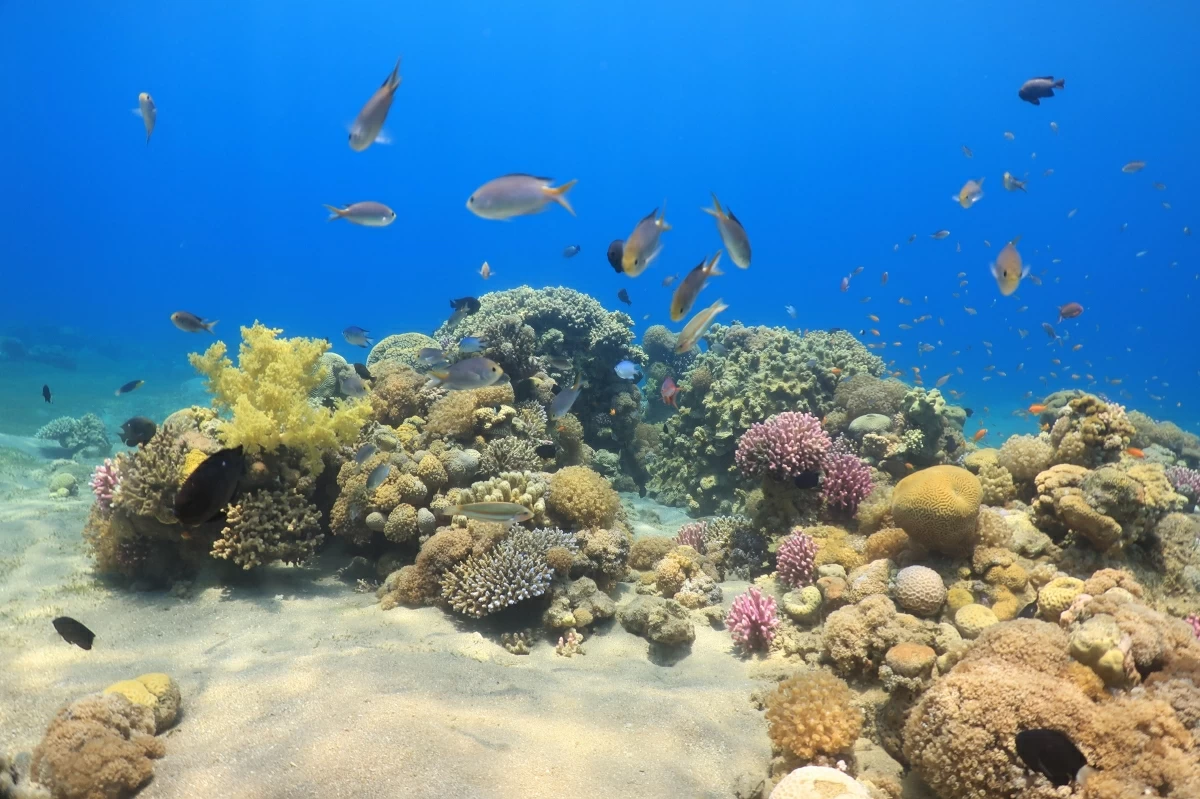
She noted that although Jordan's coral reef stretches for only around seven kilometres along the Gulf of Aqaba, it is of exceptional global importance.
"It is only seven kilometres, but these are seven kilometres of extremely precious underwater biodiversity that must be protected and conserved for the benefit of all humanity," she said.
Bawazir said that the reserve's outstanding biodiversity and the growing recognition of its climate-resilient coral reefs were key factors behind its inscription as Jordan's first natural World Heritage Site.
She stressed that the designation also brings new international responsibilities for Jordan as a State Party to the World Heritage Convention.
"Jordan is now at the forefront of implementing a comprehensive management and conservation plan," she said, noting that many of these efforts are already under way.
Bawazir also underscored the importance of public awareness in safeguarding the site.
"The responsibility does not rest only with the people of Aqaba," she said. "Visitors from across Jordan also need to understand how their behaviour affects this unique marine environment. Protecting the reserve is a shared responsibility."
She added that UNESCO will continue supporting Jordan in conserving and sustainably managing the site.
Meanwhile, ASEZA Chief Commissioner Shadi Majali said that the UNESCO recognition strengthens Jordan's position as a global tourism destination while reinforcing the country's commitment to sustainable development.
"Being inscribed on the UNESCO Natural Heritage site is a major advancement of Jordan's ability to market itself as a world tourism destination," Majali said.
"At the same time, it puts the responsibility on us to take care of this place, upgrade our services and strengthen the protection of our ecosystems," he added.
Majali said that ASEZA's development strategy is built on balancing three key pillars related to tourism, trade and the local community, while ensuring environmental conservation remains at the centre of all planning.
"Aqaba is Jordan's only seaport, with around 75 per cent of the Kingdom's trade passing through it," he said.
"We have to balance tourism, the needs of the local community and trade, while making sure that none of these sectors negatively affects the environment," the chief commissioner pointed out.
He noted that maintaining this balance requires effective legislation, restrictions and strict enforcement to safeguard the marine reserve for future generations.
According to Majali, the UNESCO designation is also expected to accelerate the adoption of the blue economy across Aqaba.
"Businesses and the wider community are beginning to realise the importance of the blue economy because of the environmentally protected areas," he said, adding that the inscription will help spread the culture and principles of the blue economy throughout society and among businesses operating in Aqaba.
Commissioner for Environment and Public Safety at ASEZA Nedal Al Ouran highlighted the reserve's exceptional biodiversity, describing it as one of the region's richest marine ecosystems.
He said that the reserve is home to more than 150 species of hard corals, over 500 species of fish and hundreds of other marine organisms, including seagrass and molluscs.
"In terms of biodiversity, Aqaba ranks very highly compared with many places in the region and beyond," Al Ouran said.
He also underscored the global scientific significance of Aqaba's coral reefs, noting that they are recognised for their exceptional resilience to climate change.
"The coral reefs in the Gulf of Aqaba have a remarkable capacity to adapt to climate change and recover from periods of high temperatures and climate fluctuations," he said, adding that this makes the reserve an important natural laboratory for research on climate adaptation and marine ecosystem conservation.
Al Ouran said that the UNESCO inscription is expected to enhance scientific cooperation with leading international research institutions.
"The recognition opens new opportunities for marine scientific research and strengthens partnerships with academic institutions, particularly in Europe," he said.
Beyond environmental research, he noted that Aqaba's rich marine biodiversity could also contribute to advances in biotechnology and medicine.
"We have significant potential to study marine organisms that could be used in developing new medicines," Al Ouran said.
The Aqaba Marine Reserve's inscription on the UNESCO World Heritage List is expected to increase the site's international visibility, attract environmentally conscious visitors, expand scientific cooperation and reinforce Jordan's commitment to protecting one of the world's most climate-resilient coral reef ecosystems while promoting sustainable tourism and the blue economy.
The Jordan Times